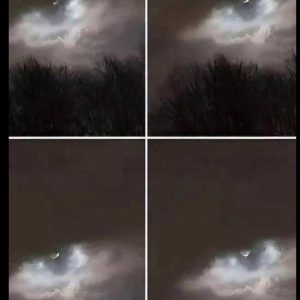
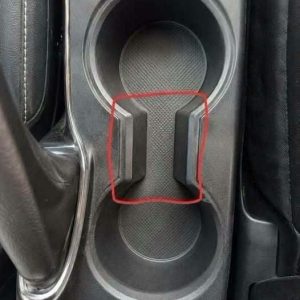
At first glance, the image may seem simple, but a closer look reveals that people often notice different details first. Some immediately see a pair of lips, while others are drawn to the outline of trees or even the roots hidden within the design. This difference is not about being right or wrong—it simply reflects how our brains process visual information and decide what stands out most quickly.
Visual puzzles like this are meant to be entertaining rather than scientific. They are not psychological tests and cannot accurately determine personality or predict behavior. Instead, they encourage us to think about perception and how our experiences, mood, attention, and surroundings can influence the way we interpret the same image.
Our brains constantly filter enormous amounts of visual information, highlighting what seems most important in a fraction of a second. This is why optical illusions are so fascinating. Two people can look at the exact same picture yet notice completely different features. Similar debates have become popular online, where identical images have led viewers to see different colors, shapes, or patterns based on how their brains interpret the visual cues.
If your eyes were first drawn to the lips, some popular interpretations suggest you may appreciate balance, simplicity, and harmony. People who notice rounded shapes first are often described as calm, practical, and thoughtful, although these descriptions should be viewed as lighthearted observations rather than proven facts. The real appeal of images like this lies in reminding us that everyone sees the world a little differently, making perception an interesting reflection of individual perspective.