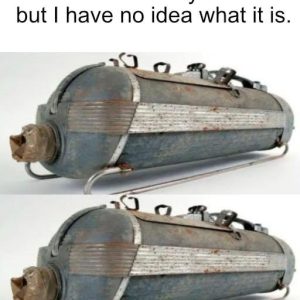
Small objects can be surprisingly difficult to identify, especially when they look old-fashioned or unfamiliar. A tiny spool-like object may seem mysterious, but if it is designed to hold thread, it is likely a sewing bobbin. Bobbins are simple yet essential components used to keep thread neatly wound and allow it to feed smoothly during sewing.
A bobbin is a small spool that supplies the lower thread in many sewing machines. While the upper thread passes through the needle, the bobbin thread works beneath the fabric. Together, the two threads interact in a precisely timed sequence to form stitches. Bobbins can vary in size, shape, and material, including plastic, metal, wood, and fiber-based materials, depending on the machine and its age.
Despite their small size, bobbins perform several important functions. They provide a controlled supply of lower thread, help prevent tangling, support consistent feeding, and make it convenient to prepare different thread colors. Most modern machines have a winding mechanism that transfers thread from a larger spool onto an empty bobbin. The thread should be wound evenly and firmly, since an unevenly filled bobbin can cause stitching problems.
Once wound, the bobbin is placed into the machine’s bobbin compartment or holder, where it works with the upper thread to create stitches. Problems can occur if the wrong bobbin size is used, the thread is wound incorrectly, or the bobbin is inserted improperly. Although old bobbins can sometimes have historical or collectible value, age alone does not make one valuable. Ultimately, the bobbin is a small but important part of sewing, quietly supplying the thread that helps every stitch come together.