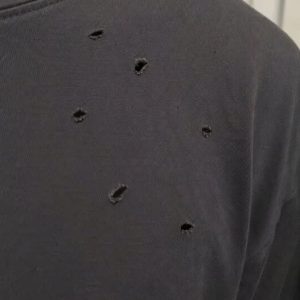
Finding tiny black spots around your kitchen or dining area can be unsettling, especially when they keep appearing after you clean. While many people immediately assume they are insect droppings, some marks could come from spiders. Spider waste is often described as small, dark, liquid-like spots rather than solid pellets, sometimes resembling tiny splashes of ink.
These marks can vary in color from black and brown to gray or even white, depending on the spider and what it has eaten. They may appear on walls, ceilings, window frames, baseboards, or underneath webs. Quiet, undisturbed areas such as corners, spaces behind furniture, and places near ceilings are particularly common locations.
Although spider droppings are not generally considered a major health concern, it is still best to avoid touching them directly. Wear gloves or use a paper towel when cleaning the spots, then wash your hands afterward. Fresh marks may wipe away easily, while older stains might require a mild household cleaner. If you keep finding new spots, however, simply cleaning them won’t address the underlying issue.
Instead, focus on reducing the conditions that allow spiders to remain indoors. Remove webs, vacuum corners and hidden spaces, reduce clutter, and seal cracks or gaps around windows, doors, and other potential entry points. If spiders and recurring stains continue despite these efforts, consider having the area inspected by a licensed pest-control professional. The key is to identify where the spiders are coming from rather than repeatedly cleaning the evidence they leave behind.