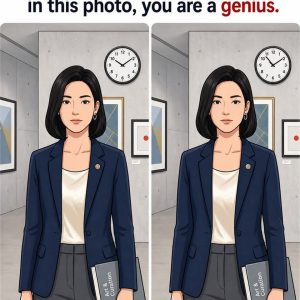
A good spot-the-difference puzzle does not need a crowded scene to be challenging. Sometimes the hardest puzzles use ordinary settings because our brains quickly recognize familiar objects and stop paying close attention. A simple study desk filled with books, pens, and a lamp may seem easy at first, but one tiny change can be surprisingly difficult to find. Our tendency to rely on familiar patterns can make even the smallest alteration difficult to notice.
The puzzle is more than just a game. It encourages you to slow down and carefully examine each part of the image instead of trusting your first impression. A desk works particularly well because we already expect certain objects to be there, which can cause our brains to overlook subtle differences. Try dividing the picture into smaller sections and checking the desk surface, shelves, lighting, and surrounding details one area at a time.
Small changes in shadows, colors, reflections, or the position of objects may reveal the answer. These details are easy to miss because we naturally focus on larger and more obvious changes. Patience is therefore essential. By practicing the ability to notice tiny differences, you can train yourself to observe things more carefully and precisely.
Regularly solving visual puzzles can also help strengthen concentration and attention to detail. These skills can be useful when proofreading, searching for misplaced objects, or noticing small changes in everyday surroundings. Whether you find the difference within seconds or need several minutes, the real challenge is learning to slow down and observe carefully. With practice, these puzzles can make you more patient, focused, and aware of details that might otherwise go unnoticed.