Have you ever looked at an image and immediately noticed certain colors before anything else? It may feel random, but the colors that attract your attention can be a fun way to reflect on your emotions, thoughts, and current state of mind. While color psychology is not a scientific way to diagnose emotions, different colors are often associated with feelings such as anger, sadness, anxiety, healing, creativity, and hope. So, take a moment and identify the three colors that caught your attention first.
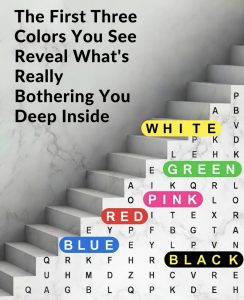
🔴 Red may be associated with intense emotions, frustration, anger, or unresolved tension. If you noticed red first, you might be dealing with strong feelings that need a healthy outlet. Writing, exercising, or talking with someone you trust may help you process those emotions. 🔵 Blue is commonly connected with calmness, sadness, loneliness, or emotional fatigue. Seeing blue first may reflect a desire for peace, connection, or emotional comfort. 🟡 Yellow is often associated with energy and optimism, but it can also represent nervousness, uncertainty, or fear of the unknown. If yellow stood out, consider focusing on manageable steps instead of worrying about everything at once.
🟢 Green is frequently linked with growth, balance, healing, and renewal. If green caught your eye, it may reflect a period of personal development or an inner desire to find greater emotional balance. ⚫ Black can symbolize seriousness, mystery, emotional heaviness, or things left unspoken. If black was one of your first choices, it may be a reminder to acknowledge difficult feelings rather than constantly pushing them aside. ⚪ White is often associated with simplicity, peace, clarity, and fresh beginnings. Noticing white first could reflect a desire to clear your mind, reduce stress, or create a calmer environment. 🟣 Purple is commonly connected with imagination, creativity, individuality, and emotional depth. If purple stood out, you may be looking for a way to express thoughts or feelings that are difficult to put into words.
🟠 Orange is often associated with enthusiasm, confidence, movement, and passion. If orange immediately caught your attention, you may be craving excitement, change, or a new challenge. It can also represent restless energy that needs somewhere productive to go. Try turning that energy into a realistic goal rather than allowing impatience to take over. Remember, these color associations are best viewed as a lighthearted form of self-reflection rather than a psychological test. The colors you notice first can be influenced by personal experiences, preferences, culture, lighting, and even the design of the image itself.
So, what were the first three colors you noticed? Take a moment to think about what they might represent in your life right now. Perhaps they remind you of emotions you’ve been experiencing, something you’ve been avoiding, or an area where you want more balance. Whether you see the results as meaningful or simply entertaining, these kinds of visual personality tests can encourage you to pause and think about your inner world. Sometimes, simply paying attention to how you feel can be the first step toward greater self-awareness, emotional clarity, and personal growth.