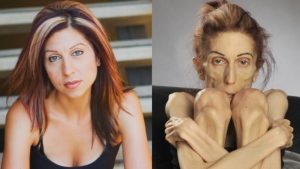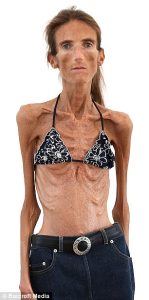
Valeria Levitin, 39, developed anorexia as a teenager, with the roots of her eating disorder tracing back to her childhood. She says her mother frequently weighed her and restricted her diet because she feared Valeria would become obese like other relatives. Later, after moving to Chicago with her parents at 16, Valeria became increasingly concerned about fitting in at school and believed losing weight would help her become accepted. Cruel comments from classmates about her figure further damaged her self-esteem and strengthened her determination to lose weight.
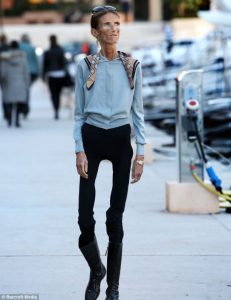
Her desire to become a model made matters worse. At 23, after years of restricting her food intake and eliminating foods such as sugar and carbohydrates, she pursued modelling but was told she was still too heavy. By 24, her weight had fallen to around six stone, and she was banned from ballet because of fears she could seriously injure herself. Over the following decade, she consulted more than 30 health specialists and at one point fell to a dangerously low 3st 10lbs. Today, many foods are difficult for her body to tolerate, and she says she can no longer remember what bread tastes like because it has been so long since she ate it.
Despite the devastating impact anorexia has had on her life, Valeria says the most disturbing part is receiving messages from young women who want to imitate her extremely thin appearance. She says she has received emails from women, particularly those in their twenties, asking her for advice on how to become as thin as she is. Rather than encouraging them, Valeria wants her appearance to serve as a warning about the dangers of extreme dieting. She describes living with anorexia as “lonely, unattractive and repulsive for the people around me” and says she refuses to teach young girls how to die.
Valeria says she is determined to overcome the illness and eventually achieve her dream of becoming a mother. She believes that finding a sense of inner balance may be as important as medical treatment and has considered moving back to Moscow, where she feels more comfortable, while exploring the possibility of having a child through surrogacy. She acknowledges that becoming a mother while seriously ill would not be fair to a child and says getting healthy must come first. Now desperate to recover, she hopes her experience will encourage others suffering from eating disorders to seek professional help and understand the potentially life-threatening consequences of extreme dieting.